
What Septic Tank Pumping in Kannapolis, NC Does
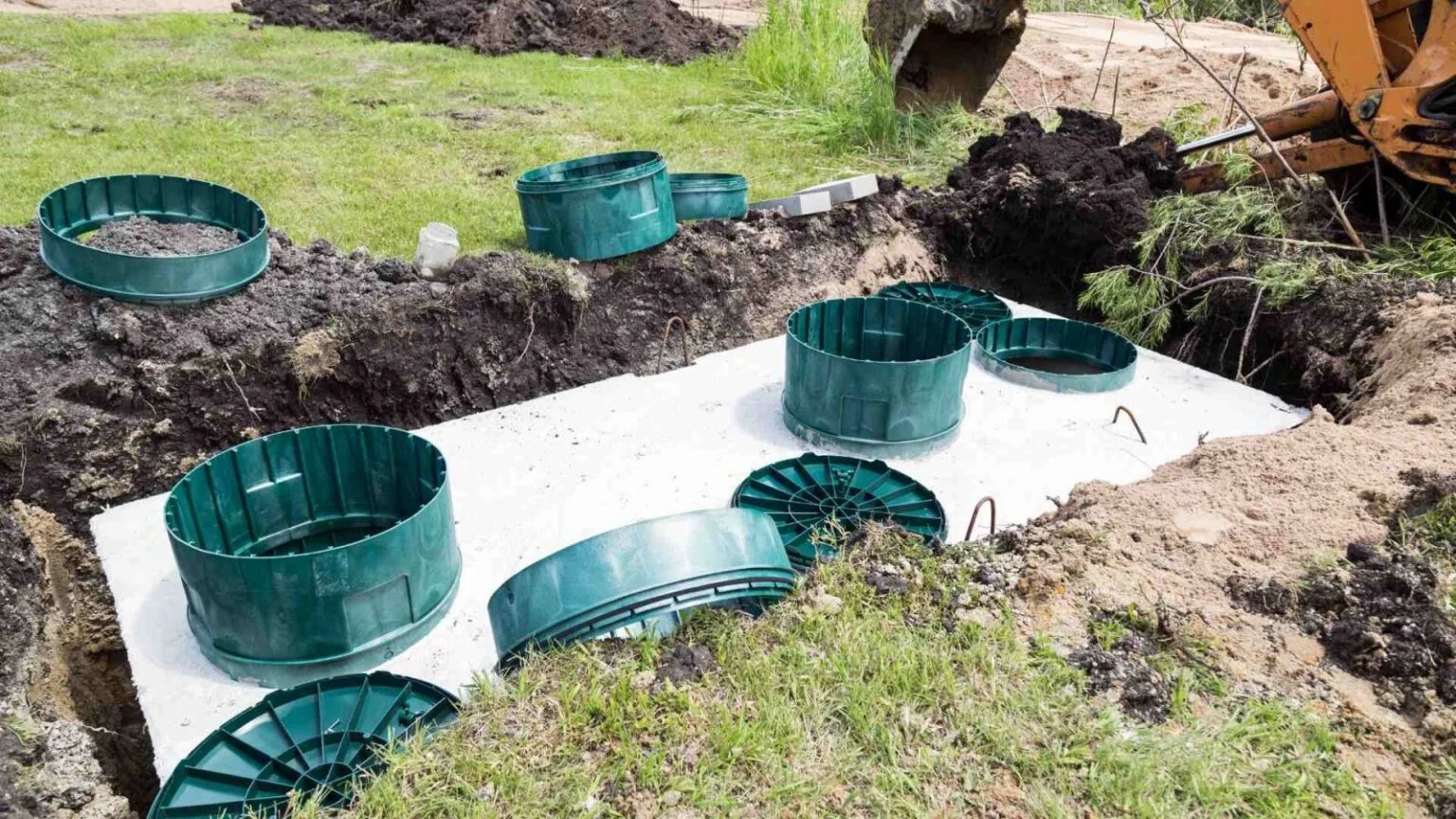
A septic tank collects wastewater from toilets, sinks, showers, laundry, and kitchen drains. Inside the tank, heavier solids settle to the bottom as sludge, lighter materials float as scum, and liquid wastewater moves out toward the drain field. Pumping removes the built-up solids before they crowd the tank, travel into the outlet line, or damage the drain field.
Regular pumping is not the same as a quick drain unclog. It is preventive care for the whole septic system. When the tank is opened and emptied, the technician can also look for signs of trouble such as unusually high liquid levels, damaged lids, baffle problems, root intrusion, or evidence that the drain field is struggling. That information helps you make good decisions before a small issue turns into a messy repair.
For homes around Kannapolis, soil, slope, rain, age of the system, and household habits can all affect how hard a septic system works. A family that does several loads of laundry in one day, uses a garbage disposal heavily, or hosts frequent guests may fill the tank faster than a similar house with lighter use. That is why Kannapolis Septic looks at symptoms and usage, not just the calendar.
Our Pump-Out Process Step by Step
- We ask about the property, recent drain problems, odors, wet areas, and the last known service date so the visit starts with the right expectations.
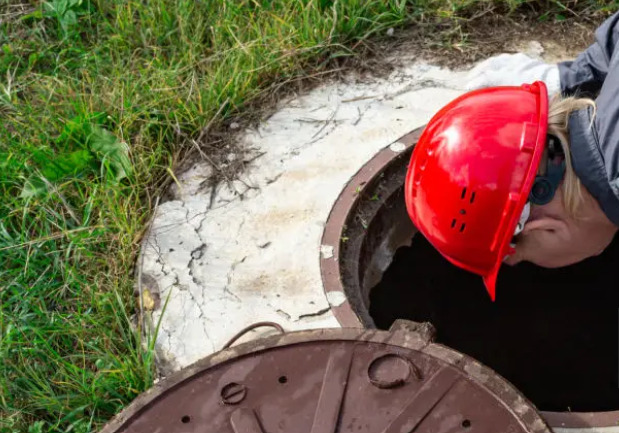
- The tank access is located and opened. If the lid is buried, the crew explains what needs to be exposed before pumping can begin safely.
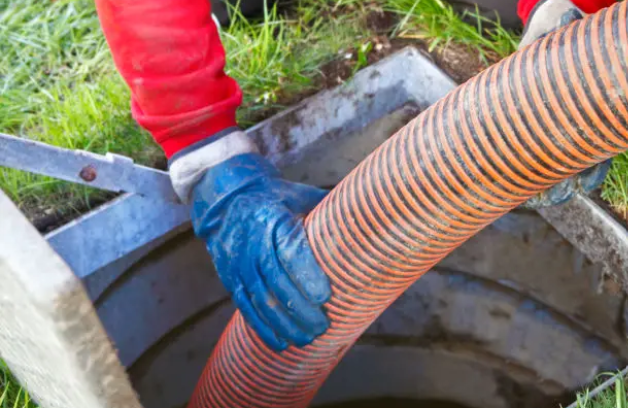
- The pumping hose is connected to the truck, and the tank contents are removed while the technician watches the flow and condition of the material.
- The tank is checked for obvious warning signs, including high water level, damaged inlet or outlet components, cracked lids, root entry, or heavy solids.
- When the pump-out is complete, the lid is secured and the work area is left as clean as practical.
- Before leaving, the technician explains what was noticed and helps you choose a sensible pumping interval or next step if repairs are needed.
Septic Tank Pumping Cost Range
Most routine residential septic tank pumping jobs in the area often fall in a general range of about $300 to $650, but the final price depends on access, tank size, how much digging is needed, the distance to the disposal facility, and whether the visit is an emergency. Larger tanks, heavily packed solids, hard-to-find lids, or after-hours service can cost more.
Kannapolis Septic believes homeowners should know what they are approving before work begins. When you call, describe the driveway access, tank location if known, and the symptoms you are seeing. That helps the office give a realistic quote and helps the crew bring the right equipment.
How Often Should a Tank Be Pumped?
A common rule of thumb is every three to five years, but that is only a starting point. A smaller tank with five people in the home may need service sooner. A larger tank serving two careful water users may go longer. Garbage disposals, long showers, frequent laundry, water softener discharge, and heavy guest use can shorten the schedule.
The best plan is to keep a record of each pump-out and ask the technician how the tank looked. If the sludge and scum layers were already heavy, move the next service date closer. If the tank looked healthy and water use is steady, the interval may be reasonable. Staying ahead of the schedule is far cheaper than replacing a clogged drain field.
Signs Your Septic Tank Is Full
- Toilets flush slowly or bubble after nearby fixtures drain.
- Several drains in the house are slow at the same time.
- You smell sewage near the tank, drains, or drain field.
- The yard above the tank or lines is soggy when weather has been dry.
- Wastewater backs up into a tub, shower, floor drain, or toilet.
- It has been years since the last pump-out and the household has grown.
A single slow sink may be a small clog, but multiple fixtures acting up can point to a full tank or a system restriction. If sewage is backing up, stop using water where possible and call for help. Running more water into a struggling septic system can make the cleanup worse.
Why Local Septic Knowledge Matters
Kannapolis includes older neighborhoods, newer subdivisions, rural edges, small businesses, and properties that may have changed hands more than once without complete septic records. Local experience matters because access points are not always obvious, tanks may be buried under landscaping, and older systems can have parts that do not match modern layouts.
Whether you need routine service, a real estate inspection, a repair opinion, or urgent help with a backup, Kannapolis Septic keeps the conversation practical. The goal is to solve the immediate problem, protect the system, and help you understand what to watch for next.
Frequently Asked Questions
How do I know if my septic tank needs pumping?
Slow drains, gurgling fixtures, sewage odors, wet spots near the tank or drain field, and a tank that has not been pumped in several years are common warning signs.
How often should a septic tank be pumped in Kannapolis?
Many homes need service every three to five years, but the right schedule depends on tank size, household size, water use, and whether a garbage disposal is used.
Can you help during a septic backup?
Yes. Call right away if sewage is backing up into the home or pooling outside. The crew can pump the tank and look for the cause of the backup.
Do I need to be home for septic tank pumping?
It helps if someone is available to point out the tank location, discuss recent symptoms, and approve any extra work, but access details can be arranged when you schedule.
Call Kannapolis Septic Today
If your tank is due, your drains are slowing down, or you are not sure when the system was last pumped, call +1 (980) 499-7054. Kannapolis Septic serves homeowners around Kannapolis, NC with practical scheduling, straightforward answers, and septic tank pumping that helps prevent messy emergencies.